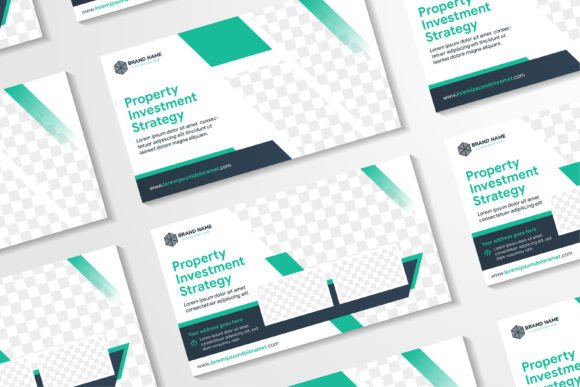
Investment Strategy Horizontal Banner: Elevating Corporate Communication Through Strategic Design
In the high-stakes world of corporate finance and asset management, clarity is not merely an aesthetic preference; it is a strategic imperative. When presenting complex financial data, portfolio performance, or long-term growth projections, the medium through which this information is delivered significantly influences stakeholder perception. This is where the Investment Strategy Horizontal Banner emerges as a critical tool for modern business communication. Far more than a simple graphic element, a well-executed horizontal banner serves as the visual anchor for annual reports, investment catalogs, and marketing brochures, bridging the gap between raw data and compelling narrative.
For entrepreneurs, marketers, and financial professionals, understanding how to leverage these design assets can transform passive readers into engaged investors. The horizontal format, in particular, aligns with natural reading patterns and digital screen orientations, making it an ideal choice for headers, website hero sections, and printed collateral. By integrating modern design elements with high-resolution photography and vector graphics, businesses can project an image of stability, innovation, and professionalism.
The Strategic Value of Visual Consistency in Financial Branding
Branding in the investment sector relies heavily on trust. Investors are not just buying into a strategy; they are buying into the competence and reliability of the firm behind it. A disjointed or amateurish visual presentation can inadvertently signal operational inefficiency or lack of attention to detail. Conversely, a cohesive design system centered around a strong Investment Strategy Horizontal Banner reinforces brand identity at every touchpoint.
When you utilize a template that offers editable text, shapes, and colors, you are not sacrificing uniqueness for convenience. Instead, you are establishing a flexible framework that ensures consistency across various mediums. Whether the asset appears in a printed magazine mockup, a digital newsletter, or a physical flyer, the core visual language remains intact. This consistency builds recognition. Over time, stakeholders begin to associate specific geometric patterns, color palettes, and layout structures with your firm’s reliability. This psychological association is a powerful asset in competitive markets where differentiation is often subtle.
Optimizing Layouts for Clarity and Impact
The effectiveness of any marketing material depends on its ability to guide the viewer’s eye to the most important information. Horizontal banners are uniquely suited for this task because they span the width of the page or screen, creating a natural horizon line that organizes content below it. In the context of an annual report or a property investment proposal, this layout allows for a clear hierarchy:
- Headline and Value Proposition: Placed prominently within the banner area to capture immediate attention.
- Supporting Imagery: High-quality photos or abstract geometric illustrations that evoke growth, stability, or innovation.
- Call to Action or Key Metrics: Positioned strategically to drive the next step in the user journey.
Using a template that features 100% vector graphics ensures that these elements remain crisp and professional regardless of scale. Whether you are printing a large-format poster for a conference booth or scaling down the same design for a mobile website header, the integrity of the lines and shapes is preserved. This technical quality is non-negotiable for firms that wish to maintain a premium image. A pixelated logo or blurry background image can undermine the perceived value of the investment opportunity being presented.
Versatility Across Mediums: From Print to Digital
One of the most significant advantages of adopting a comprehensive design template is its adaptability. Modern business operations require a multi-channel approach. An investment strategy must be communicated through diverse formats, including:
- Annual Reports and Catalogs: Where detailed data needs to be framed by engaging visuals.
- Digital Marketing Assets: Such as website banners, email headers, and social media covers.
- Physical Collateral: Including brochures, flyers, and business cards that leave a tangible impression.
A high-resolution file set, typically including AI, EPS, JPG, and SVG formats, provides the flexibility needed to navigate this multi-channel landscape. For instance, the SVG format is ideal for web use due to its small file size and scalability, while the high-resolution JPG or EPS files are essential for professional printing at 300 DPI. This versatility ensures that your message is not lost in translation when moving from screen to paper.
Consider the scenario of a real estate investment firm launching a new property fund. They might use the horizontal banner design as the cover of their prospectus, adapting the same visual theme for the landing page of their website and the backdrop of their presentation slides. This unified approach reduces cognitive load for the investor, who encounters a familiar and professional aesthetic at every stage of their research.
Risks of Generic Design and the Importance of Customization
While templates offer efficiency, there is a risk of appearing generic if they are not customized thoughtfully. Using an Investment Strategy Horizontal Banner without adjusting the color scheme, typography, or imagery to reflect your specific brand voice can result in a disconnect between your visual identity and your corporate values. For example, a firm specializing in sustainable energy investments should avoid generic corporate blues and instead opt for greens and earth tones that resonate with their mission. Similarly, a fintech startup might prefer sharp, diagonal geometric lines to convey speed and innovation, whereas a traditional wealth management firm might choose softer, more stable compositions.
To mitigate this risk, treat the template as a foundation rather than a final product. Invest time in selecting photography that reflects your actual team, projects, or client success stories. Replace placeholder text with concise, impactful copy that speaks directly to your target audience’s pain points and aspirations. The goal is to make the template invisible, so that only your unique value proposition shines through.
Practical Steps for Implementation
To maximize the return on your design investment, consider the following strategic steps when implementing your horizontal banner assets:
Define Your Core Message First: Before opening the design file, clarify the single most important message you want to convey. Is it stability? Growth? Innovation? Let this message dictate your choice of imagery and color adjustments within the template.
Maintain Visual Hierarchy: Ensure that the most critical information stands out. Use bold fonts for headlines and lighter weights for supporting text. Do not clutter the horizontal space; allow for white space to let the design breathe.
Test Across Devices: If the banner will be used digitally, preview it on multiple screen sizes. Ensure that text remains legible and key visual elements are not cropped out on smaller mobile screens.
Align with Content Strategy: The banner should not exist in isolation. It must flow naturally into the body content of your report or website. Use consistent fonts and color accents throughout the document to create a seamless reading experience.
Long-Term Benefits of Professional Design Assets
Investing in high-quality design templates yields compounding returns. Initially, it saves time and resources that would otherwise be spent on custom design from scratch. Over the long term, it contributes to a stronger brand equity. Clients and partners perceive firms with polished, professional materials as more credible and competent. This perception can influence decision-making processes, potentially leading to higher conversion rates and stronger investor relationships.
Furthermore, having a well-organized library of editable assets empowers internal teams to produce consistent marketing materials quickly. Marketing managers, freelance designers, and even executive assistants can generate on-brand collateral without needing extensive design expertise. This operational efficiency allows your team to focus on strategy and client engagement rather than getting bogged down in formatting issues.
In conclusion, the Investment Strategy Horizontal Banner is more than a decorative element; it is a strategic tool for enhancing communication, building trust, and driving business results. By approaching its use with intentionality, customization, and a focus on clarity, businesses can elevate their professional presence and achieve greater impact in their marketing and reporting efforts. Whether you are preparing an annual report, launching a new fund, or updating your corporate website, leveraging high-quality, versatile design templates is a smart move for any forward-thinking organization.