Mastering Visual Assets: A Deep Dive into High-Resolution Banana Icons and Vector Design Elements
In the rapidly evolving landscape of digital design, the quality of visual assets can make or break a user's experience. Whether you are a seasoned graphic designer, a web developer, or a small business owner managing your own brand presence, understanding the technical specifications and aesthetic value of your image files is crucial. One specific niche that has gained significant traction recently involves themed icon sets, such as Banana Icons. These are not merely decorative elements; they are functional tools that enhance navigation, convey tone, and improve accessibility when used correctly. This article explores the intricacies of utilizing high-resolution vector design elements, specifically focusing on the benefits of transparent PNGs and EPS files within a comprehensive ZIP package.
The Strategic Value of Themed Iconography
Icons serve as the universal language of the internet. They transcend linguistic barriers, allowing users to navigate interfaces intuitively. When selecting an icon set, consistency is key. A cohesive set like Banana Icons offers a unified visual style that ensures your website or application looks professional and polished. Unlike mismatched icons sourced from various free repositories, a dedicated pack provides harmonious line weights, color palettes, and perspectives. This consistency reduces cognitive load for the user, allowing them to process information faster and more efficiently.
For educators and researchers, themed icons can also serve as powerful pedagogical tools. Visual aids help in breaking down complex concepts, making abstract ideas more tangible. For instance, using playful yet professional fruit-themed icons in educational materials for younger audiences can increase engagement without sacrificing clarity. The versatility of such designs allows them to be adapted across various mediums, from printed worksheets to interactive e-learning modules.
Understanding File Formats: EPS vs. PNG
A critical aspect of working with digital assets is understanding the difference between vector and raster formats. The ZIP file containing your design elements typically includes both EPS and PNG files, each serving a distinct purpose in the design workflow.
Vector Excellence with EPS
EPS (Encapsulated PostScript) files are vector-based. This means they are constructed using mathematical paths rather than pixels. The primary advantage of vector graphics is scalability. You can resize an EPS file from the size of a postage stamp to the size of a billboard without any loss in quality. For professionals using software like Adobe Illustrator or CorelDRAW, EPS files are indispensable. They allow for complete customization of colors, strokes, and shapes. If your brand guidelines require a specific shade of yellow for your banana icons, you can easily adjust the vector paths to match exactly, ensuring brand consistency across all platforms.
Raster Convenience with Transparent PNGs
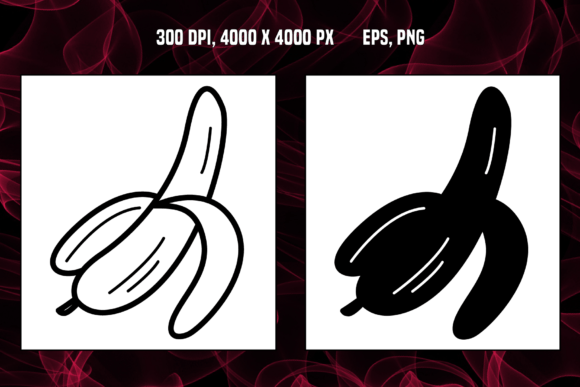
On the other hand, PNG (Portable Network Graphics) files are raster images. While they do not scale infinitely like vectors, high-resolution PNGs are essential for web implementation. The inclusion of transparent backgrounds in these PNGs is a game-changer for web designers. It allows the icons to sit seamlessly on any background color or image without unsightly white boxes around them. With a resolution of 300 DPI and dimensions of 4000 x 4000 pixels, these PNGs offer exceptional clarity. Even though web screens typically display at 72 or 96 DPI, starting with a high-resolution source ensures that the icons look crisp on high-density displays, such as Retina screens and 4K monitors.
Technical Specifications and Quality Assurance
The mention of 300 DPI and 4000 x 4000 pixels in the asset description is not arbitrary. These specifications indicate a commitment to high-quality production. DPI (Dots Per Inch) is a measure of printing resolution. While 72 DPI is standard for screen viewing, 300 DPI is the industry standard for print. By providing files at this resolution, the creators ensure that the icons are versatile enough for both digital and physical applications. A marketing manager could use these same banana icons on a website banner and then repurpose them for a printed brochure or product packaging without needing to source new assets.
The large pixel dimensions provide ample room for cropping and editing. Designers often need to isolate specific parts of an icon or combine multiple elements to create a unique composite. Starting with a large canvas ensures that even after significant manipulation, the remaining image retains its sharpness and detail. This level of quality is particularly important for hobbyists and creators who may not have advanced editing skills; having a high-quality source file forgives minor imperfections in resizing or cropping.
Practical Applications Across Industries
The utility of high-quality icon sets extends far beyond simple decoration. Let us explore how different sectors can leverage these assets effectively.
- E-Commerce and Retail: Online stores selling tropical fruits, healthy snacks, or summer apparel can use banana icons to categorize products, highlight special offers, or indicate eco-friendly packaging. The transparent PNGs allow these icons to overlay product photos seamlessly.
- Web and App Development: Developers can use the SVG or EPS files to create scalable interface elements. Buttons, loading states, and navigation menus benefit from the clean lines of vector graphics. The lightweight nature of well-optimized icons also contributes to faster page load times, a critical factor for SEO and user retention.
- Social Media Management: Content creators need eye-catching visuals to stand out in crowded feeds. High-resolution icons can be used as overlays on Instagram stories, Pinterest pins, or YouTube thumbnails. The vibrant and recognizable nature of banana icons can add a touch of personality and humor to brand communications.
- Presentation Design: Business professionals and educators often rely on PowerPoint or Keynote presentations. Dragging and dropping high-quality PNGs into slides enhances visual appeal and helps illustrate points more effectively than text alone. The transparency ensures that the icons blend well with various slide templates.
Workflow Integration and Best Practices
To maximize the value of your downloaded ZIP file, it is essential to integrate these assets into your workflow efficiently. Begin by organizing your files. Create separate folders for EPS and PNG assets. If you are working on a web project, consider converting the EPS files to SVG format if necessary, as SVGs are code-based vectors that are highly efficient for web use. Many design tools allow for easy export from EPS to SVG.
When using the PNGs, always check the transparency. Open the file in an image viewer that supports alpha channels to ensure there are no jagged edges or residual background colors. For web use, optimize the file size using compression tools without sacrificing visible quality. Large 4000 x 4000 pixel files are too heavy for direct web use; resize them to the exact dimensions needed for your layout before uploading. This practice improves site performance and enhances the user experience.
For print projects, maintain the 300 DPI setting. Ensure that your design software is set to CMYK color mode if you are preparing files for professional printing, although many modern digital printers handle RGB well. Always request a proof before running a large print job to verify that the colors of the banana icons match your expectations.
Future-Proofing Your Design Assets
Investing in high-quality, versatile design elements is a form of future-proofing your creative projects. As display technologies continue to advance, the demand for higher resolution assets will only grow. By securing a library of 4000 x 4000 pixel icons now, you ensure that your materials remain relevant and visually appealing on next-generation devices. Furthermore, owning the vector source files gives you the flexibility to adapt to changing brand identities. If your company rebrands, you can recolor the entire icon set in minutes rather than days.
In conclusion, the careful selection and implementation of design assets like Banana Icons reflect a deeper understanding of digital craftsmanship. By leveraging the strengths of both vector and raster formats, maintaining high technical standards, and applying these resources strategically across various platforms, creators and businesses can elevate their visual communication. The convenience of a comprehensive ZIP file containing transparent, high-resolution elements simplifies the design process, allowing professionals and enthusiasts alike to focus on creativity and innovation rather than technical limitations.