Bringing History to Life: The Power of Vintage Style Papers in Modern Design
In an era dominated by sleek, minimalist interfaces and ultra-high-definition digital photography, there is a growing counter-movement toward texture, imperfection, and nostalgia. Designers, photographers, and creatives are increasingly turning to Vintage Style Papers to inject warmth, character, and authenticity into their projects. Whether you are crafting a wedding invitation, designing a book cover, or adding depth to a digital composite, the tactile illusion of aged material can transform a flat image into something that feels lived-in and real.
The appeal of old paper digital assets lies not just in their aesthetic value but in their versatility. These resources bridge the gap between traditional craftsmanship and modern efficiency, allowing creators to achieve the look of antique parchment or yellowed newsprint without the mess, cost, or scarcity of physical materials. By integrating these elements into your workflow, you unlock a new dimension of visual storytelling.
Why Texture Matters in Digital Composition
Human eyes are naturally drawn to detail. A perfectly white, sterile background often feels cold or unfinished. In contrast, an Antique Paper texture provides immediate context. It suggests history, reliability, and organic origin. When you overlay a design with a Vintage Yellowed Paper effect, you are subtly signaling to the viewer that the content has weight and significance.
This is particularly crucial for branding and marketing. Brands that want to convey heritage, artisanal quality, or eco-friendliness frequently utilize these textures. For instance, a coffee shop launching a new blend might use a rough, brown kraft paper background to emphasize natural sourcing. Similarly, a law firm might opt for a crisp, slightly aged linen texture to suggest established trustworthiness. The right paper texture acts as a silent ambassador for your brand’s values.
The Versatility of Old Notebook and Handwriting Paper
Not all vintage textures are created equal. One of the most popular subsets within this category is old notebook paper. This specific style evokes memories of school days, personal journals, and handwritten letters. It is incredibly effective for projects that require a personal touch or a sense of intimacy.
Consider the rise of bullet journaling and planner communities on social media. Enthusiasts often look for digital templates that mimic the lines and margins of classic school notebooks. Using Old Handwriting paper allows digital artists to create planners, stickers, and overlays that feel authentic to the analog experience. It creates a nostalgic connection that resonates deeply with audiences who value mindfulness and organization.
Furthermore, handwriting fonts pair exceptionally well with these backgrounds. The slight irregularities in the paper grain complement the fluid, imperfect strokes of handwritten typography, creating a cohesive and harmonious design element that feels human rather than machine-generated.
Technical Advantages of High-Quality PNG Assets
When selecting digital assets for professional work, quality is non-negotiable. Low-resolution images pixelate when scaled, ruining the illusion of realism. This is why serious designers prioritize packages that offer high fidelity. A premium collection of Vintage Style Papers should provide files that are robust enough for both web and print applications.
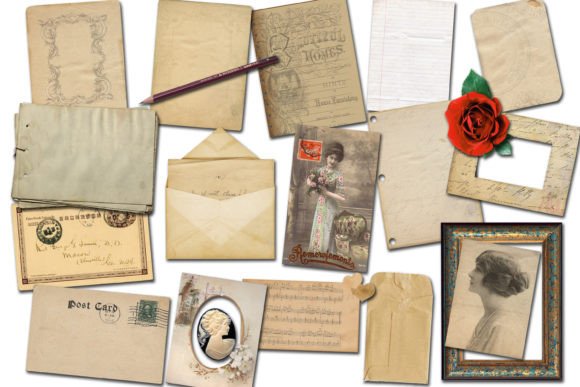
For example, receiving 20 high quality digital elements in .PNG files format ensures maximum flexibility. The PNG format supports transparency, which is a game-changer for layering. Instead of being stuck with a square block of paper, you can place a torn edge of parchment over a photograph, letting the image show through the transparent areas. This seamless integration is essential for complex composites.
Moreover, the resolution matters immensely. Files with an approximate size between 6 and 8 inches at 300 ppi (pixels per inch) are the gold standard for print-ready designs. At 300 ppi, the texture remains sharp and detailed even when printed on physical media like business cards, flyers, or book covers. If you are working solely for the web, you can easily downscale these images without losing quality, but you cannot upscale a low-res image effectively. Starting with high-resolution assets future-proofs your work.
Streamlining Your Creative Workflow
One of the primary benefits of using pre-made digital paper packs is efficiency. Sourcing individual sheets of Real Paper Background, scanning them, cleaning up dust spots, and adjusting color levels can take hours. By purchasing a curated pack, you gain instant access to a library of ready-to-use textures.
These assets are typically designed to be suitable for all image programs. Whether you use Adobe Photoshop, Affinity Photo, GIMP, or even simpler tools like Canva, PNG files with transparent backgrounds are universally compatible. This universality means you do not need specialized software to benefit from these designs. You can drag and drop a Vintage Yellowed Paper texture into your project, adjust the blending mode to "Multiply" or "Overlay," and instantly achieve a realistic aged effect.
Having separate PNG files for each design also allows for better organization. You can quickly preview thumbnails to find the exact shade of sepia or the specific level of distressing that matches your vision. This modularity saves time during the creative process, allowing you to experiment with different looks rapidly.
Practical Applications Across Industries
The utility of Antique Paper textures extends far beyond graphic design. Here are several scenarios where these assets shine:
- Scrapbooking and Memory Keeping: Digital scrapbookers use these papers as bases for their layouts. The aged look adds emotional depth to family photos, making them feel like cherished heirlooms.
- Photography Overlays: Photographers often overlay paper textures onto portraits or landscapes to create a fine-art aesthetic. A subtle grain from an old paper scan can unify the colors in a photo and add a cinematic quality.
- E-commerce Product Mockups: If you sell digital prints or physical stationery, displaying your products on a vintage background can enhance perceived value. It helps customers visualize how the item would look in a stylish, curated home environment.
- Social Media Content: In a feed full of bright, saturated colors, a post featuring muted, earthy tones of old notebook paper can stop the scroll. It stands out by being understated and elegant.
Choosing the Right Texture for Your Project
With so many options available, how do you choose? Consider the mood you wish to convey. If you want something romantic and soft, look for lighter, cream-colored papers with minimal staining. For a rugged, industrial feel, seek out darker, more heavily distressed textures with visible creases and tears.
It is also important to consider legibility. If you plan to place text over the background, ensure the texture is not too busy. A Real Paper Background with uniform grain is easier to read over than one with heavy water stains or dark spots. You can always adjust the opacity of the texture layer to strike the right balance between character and clarity.
Ultimately, incorporating Vintage Style Papers into your toolkit is about more than just following a trend. It is about embracing the beauty of imperfection and using it to create deeper connections with your audience. By leveraging high-quality, transparent PNGs, you gain the freedom to experiment, iterate, and produce work that stands out in a crowded digital landscape. Whether for a client project or personal passion, these timeless textures offer endless possibilities for creative expression.