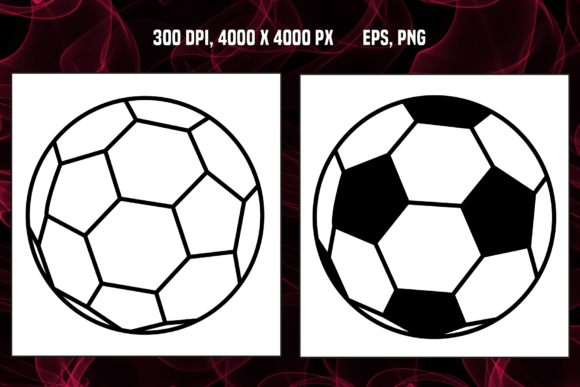
Soccer Balls: Evaluating Digital Assets for Modern Sports Design
In the realm of digital sports design, the visual representation of equipment plays a pivotal role in establishing authenticity and engagement. Soccer balls are among the most universally recognized symbols in athletics, transcending language and culture to represent competition, teamwork, and global unity. For designers, marketers, and content creators, sourcing high-quality imagery of soccer balls is not merely about finding a generic icon; it is about securing assets that convey realism, precision, and professional polish. The distinction between a mediocre graphic and a compelling visual often lies in the technical specifications and versatility of the file formats provided.
When evaluating resources for web design, print media, or branding materials, one must look beyond the surface image. A comprehensive asset pack typically includes vector design elements, transparent images in EPS and PNG formats, and high-resolution files suitable for large-scale printing. Understanding the nuances of these formats and how they serve different stages of the design workflow is essential for making an informed decision. This article explores the specific value of high-fidelity soccer ball graphics, compares them with alternative visual approaches, and outlines the practical considerations for integrating them into your projects.
The Importance of Format Versatility in Design Assets
A critical factor in selecting digital assets is the range of file formats included. A robust package for soccer ball designs will rarely offer just a single JPEG. Instead, it provides a suite of options tailored to various use cases. The inclusion of vector design elements is particularly significant for professionals who require scalability without loss of quality. Vectors allow designers to resize the soccer ball from a small favicon to a massive billboard without pixelation, ensuring crisp lines and perfect curves regardless of the output size.
Alongside vectors, transparent image EPS and PNG files offer immediate usability for web and composite designs. PNGs with transparency are indispensable for layering graphics over complex backgrounds, such as placing a soccer ball on a textured grass field or a dynamic action shot. The absence of a white background box allows for seamless integration, saving hours of manual editing time. Meanwhile, EPS files serve as a bridge between vector flexibility and raster compatibility, widely supported by many professional design applications. This multi-format approach ensures that whether you are building a responsive website or designing a printed brochure, the asset adapts to your needs rather than forcing you to compromise.
Resolution and Clarity: Why 300 DPI Matters
One of the most common pitfalls in digital design is using low-resolution images for high-stakes projects. Many free or low-cost resources offer images at 72 DPI, which is sufficient for screen display but disastrous for print. In contrast, premium assets featuring soccer balls often boast a high resolution of 300 DPI, with dimensions reaching up to 4000 x 4000 pixels. This level of detail is crucial for several reasons.
First, high resolution captures the intricate textures of the ball’s surface—the stitching, the panel shapes, and the subtle wear and tear that lend realism. Second, it provides ample room for cropping and manipulation. A designer might need to focus on a specific section of the ball for a close-up hero image or apply complex filters and effects that require substantial pixel data to avoid artifacts. When comparing standard stock photos with specialized high-resolution assets, the difference in clarity and professional finish is immediately apparent. For brands aiming to project quality and attention to detail, settling for lower resolution is a tradeoff that rarely pays off.
Comparing Vector Icons vs. Photorealistic Renders
When incorporating soccer imagery into web design, creators often face a choice between stylized icons and photorealistic renders. Each approach has distinct strengths and ideal use cases. Sports icons are optimized for clarity and quick recognition. They work exceptionally well in navigation menus, infographics, and mobile interfaces where space is limited and load times are critical. These simplified representations strip away unnecessary detail to focus on the essential shape and symbolism of the soccer ball.
On the other hand, photorealistic images provide emotional impact and context. They are better suited for landing pages, promotional banners, and editorial content where the goal is to evoke the excitement of the game. High-quality assets that offer both vector icons and realistic transparent images provide the best of both worlds. This duality allows designers to maintain visual consistency across different platforms while adapting the level of detail to the specific medium. For instance, a website might use a clean vector icon in the header but switch to a high-resolution PNG for the main feature section, creating a cohesive yet dynamic user experience.
Evaluating Use Cases: Web Design vs. Print Media
The intended medium significantly influences the selection of soccer ball assets. For web design, file size and loading speed are paramount. While high-resolution PNGs are valuable, they must be optimized to prevent slowing down page performance. Transparent backgrounds are particularly useful here, allowing for flexible layout designs that adapt to different screen sizes and color schemes. Vector SVGs, derived from the included vector elements, are often the gold standard for web icons due to their small file size and infinite scalability.
In contrast, print media demands maximum fidelity. Brochures, posters, and merchandise require the 300 DPI resolution and vector capabilities to ensure sharp output. The ability to edit colors and adjust details in vector format is also crucial for aligning the soccer ball’s appearance with specific brand guidelines. For example, a sports league might need to adjust the panel colors to match their team palette, a task that is straightforward with vector files but nearly impossible with flat raster images. Understanding these distinctions helps designers choose the right tool for the job, avoiding costly revisions later in the process.
Decision Factors: When to Invest in Premium Assets
Not every project requires premium, high-resolution soccer ball assets. For internal presentations, mockups, or casual blog posts, standard stock images may suffice. However, there are clear indicators when investing in higher-quality resources is justified. If your project involves commercial branding, large-format printing, or a high-traffic website where visual credibility impacts conversion rates, the superior quality of dedicated assets becomes a strategic advantage.
Additionally, consider the time savings associated with ready-to-use transparent images and editable vectors. Manually removing backgrounds or tracing images can consume valuable hours. By utilizing a package that includes pre-prepared EPS and PNG files, designers can accelerate their workflow and focus on creative composition rather than technical cleanup. This efficiency is particularly valuable for agencies managing tight deadlines or multiple client projects simultaneously.
Limitations and Alternative Approaches
While high-quality soccer ball assets offer significant benefits, they are not a universal solution. Designers must remain aware of potential limitations. For instance, highly realistic images may clash with minimalist or abstract design aesthetics. In such cases, custom-drawn illustrations or simplified geometric interpretations might be more appropriate. Furthermore, relying solely on pre-made assets can lead to a lack of uniqueness if many competitors use the same popular stock libraries.
To mitigate this, designers should view these assets as foundational elements rather than final products. Customizing colors, adding unique shadows, or combining vector elements with other graphics can help create a distinctive visual identity. It is also important to verify licensing terms to ensure compliance with commercial use requirements, especially when distributing designs across multiple platforms or regions.
Ultimately, the choice of soccer ball imagery should align with the broader goals of the project. Whether prioritizing speed, scalability, or realism, understanding the technical specifications and practical applications of different file formats empowers designers to make smarter, more effective choices. By leveraging high-resolution, multi-format assets, creators can enhance the visual appeal of their work while maintaining professional standards and operational efficiency.